It is no surprise to see energy drinks being chugged by students all over North. With caffeine to get students through the day and many different flavors, their popularity has exploded. Nearly every North student can say that they have tried an energy drink.
However, the caffeine in these drinks can have side effects that are harmful for teenagers. A few months ago, HOPE club hosted Red Ribbon Week to show that energy drinks are too unhealthy for high schoolers to drink daily.
“We tried to show that if you drink these and then you play a sport, or you go to PE class and you’re doing the Pacer, … you’re already naturally elevating your heart rate, and then you add this caffeinated beverage, which elevates it even higher. [This] can put you into an arrhythmia, where you have an abnormal heart rhythm, and, ideally, we don’t want that to happen,” said HOPE club adviser Julianne Pheney.
HOPE club does not want students to forget that there are better alternatives to energy drinks. There are many different ways to increase energy levels, including drinking coconut water, which does not contain caffeine, or having fun with friends, which can boost dopamine levels in the brain.
These natural boosts can be very effective sometimes, but there are other days when caffeine is needed for a student to stay awake in class. Simply put, the healthier boosts can still be too little for students who stayed up late cramming for a test or had hours of homework to complete after practice.
It is difficult to figure out the balance between being too unhealthy and staying awake, or being a little healthier and falling asleep in class. However, we think that North may have just found this balance.
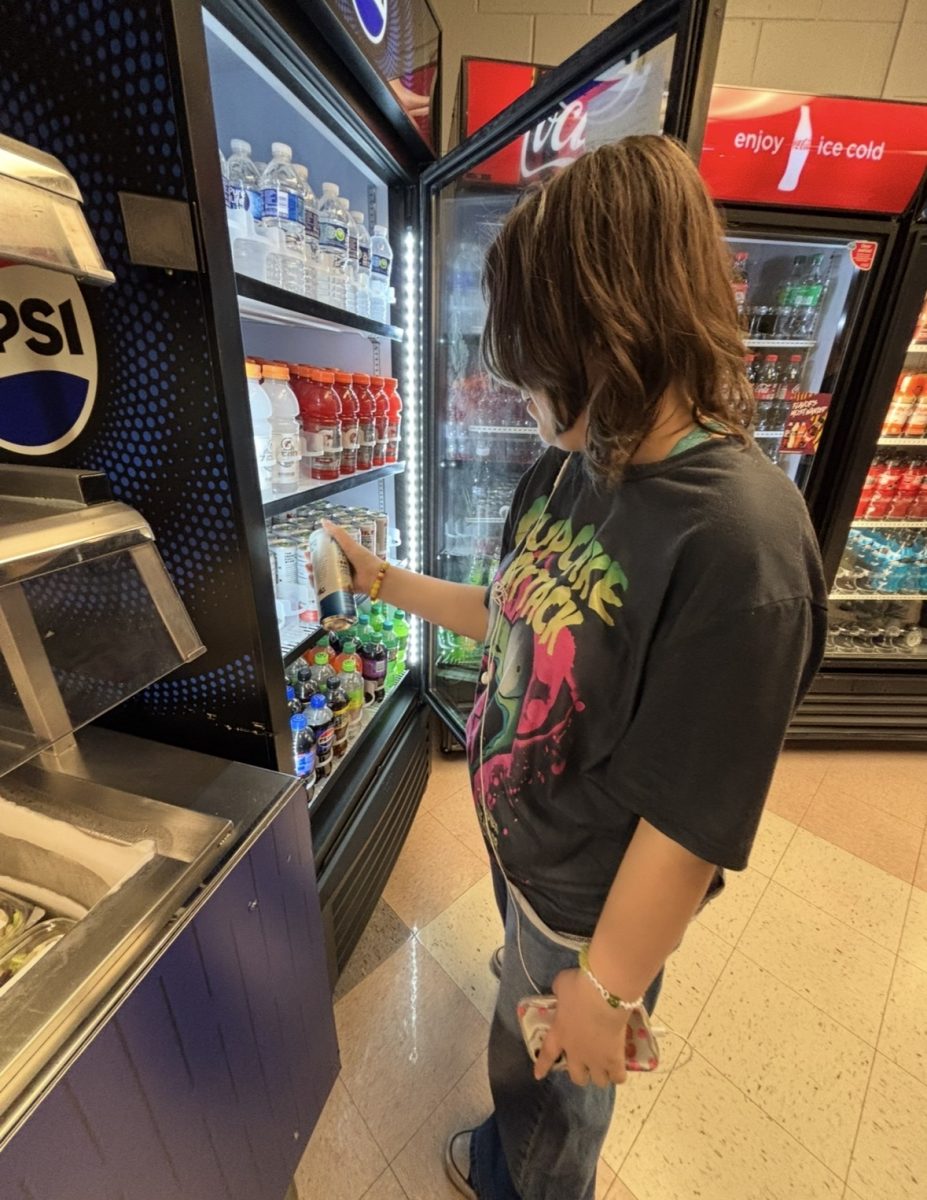
Recently, North has started selling BUBBL’Rs, a popular energy drink brand, in the cafeteria. BUBBL’Rs contain 69 milligrams of caffeine, and they are a healthier choice than some other brands like Celsius or Alani, which contain about 200 milligrams of caffeine. Pediatricians recommend that teenagers should have no more than 100 milligrams of caffeine per day.
While BUBBL’Rs are still unhealthy compared to other drink choices like coconut water, they are still better in terms of sugar and caffeine content than other drinks students frequently enjoy, like coffee, which is loaded with both of these unhealthy ingredients.
“When you do look at a BUBBL’R versus a Monster or a Bang or Red Bull or Celsius, it is definitely [healthier]. So the BUBBL’R, in theory, is like the lesser of the evils,” said Katherine McCleary, HOPE club adviser.
While other energy drinks are extremely unhealthy to have on a daily basis, BUBBL’Rs are a better choice. They help keep students refreshed and energized while also being healthy enough to consume, generally without any side effects such as insomnia or jitters. While other energy drinks may have too much caffeine for students to handle and should not be sold in the cafeteria, we think that BUBBL’Rs are a good choice because of their smaller amount of caffeine.
And yet, North should not be encouraging everyday consumption of overcaffeinated energy drinks. Sure, BUBBL’Rs are among the healthiest energy drink options, but if North is selling them in the cafeteria, what does that mean moving forward? Will there be Monsters or Alanis — energy drinks with more than double the caffeine content of a BUBBL’R — for sale as well? BUBBL’Rs may be the healthiest energy drink to get students up and running in the morning, but we worry this new development may lead to a slippery slope of more unhealthy options being sold just to make more money.
Not to mention the video we watched and the research we heard during Red Ribbon Week — if North was so adamant about students not drinking energy drinks consistently, why are they suddenly not only fine with it, but encouraging it?
North seems to believe that it is nearly impossible to fight energy drink consumption in teens, so they might as well accept it and do what they can. Ignoring the fact that energy drinks exist would not get us anywhere, so North hopes they can encourage students to choose healthier alternatives by educating them on the possible negative consequences. However, it is not guaranteed that students will listen to these effects. They may just continue to drink energy drinks every day, and now the cafeteria has provided an easy option to feed this obsession. Advocating for healthier ways to boost energy will not mean much if North is contradicting its own suggestions and providing the very thing they are speaking out against.
Nevertheless, as long as the cafeteria does not expand their selection to include more caffeinated beverages, we are hoping this change will have positive effects. With schoolwork, sports, after-school activities and jobs for high schoolers to balance, it is completely understandable that they may need something to boost their energy every once in a while. North is trying to cater to these busy students by providing BUBBL’Rs in the cafeteria, which may just help someone get through a tough day. Though we do not believe that North should be highly encouraging energy drinks, BUBBL’Rs do seem to be the best choice.