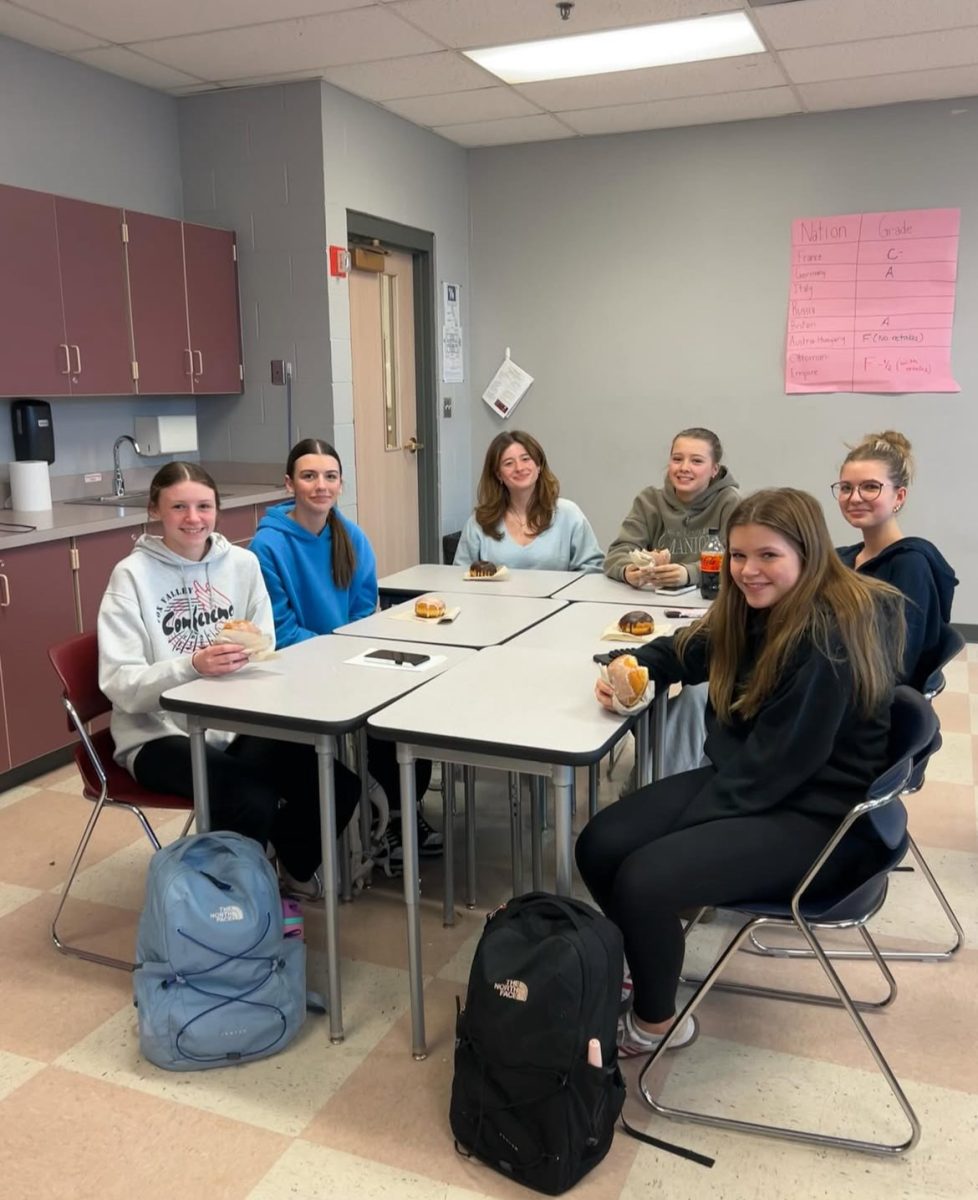
Eastern European Club is one of the latest additions to North’s diverse roster of clubs. Piloted last year by adviser Jeffrey Peterson and seniors Kristina Millinchuk and Amelia Koziol, it functions both as a space for students to learn more about Eastern European cultures and for students from those cultures to gather together in community.
“We have a couple [of] other people that also [are] Eastern European from different countries, but we’ve never really had a community, where you can get together and really get to know other people from your culture, and also learn more about it. And so we thought it would be cool too if we had a place where people can come and learn about [Eastern European culture],” said Milinchuk.
Student founders Milinchuk and Koziol had the idea for Eastern European Club over two years ago, but did not get around to doing it until spring of last year.
“We have been working on the project for so long. We wanted to do it since we were underclassmen, but we just never got to it,” said Milinchuk.
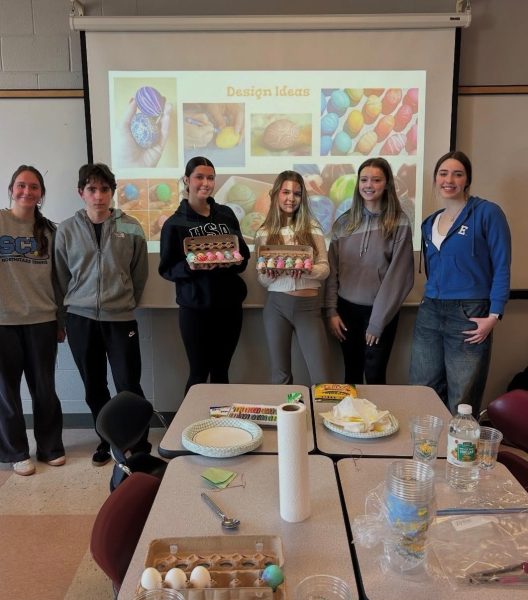
Since it first started, Eastern European Club has offered students opportunities to connect with others from similar cultural backgrounds and celebrate Eastern European culture, through events like egg painting for Easter and celebrating the tradition of “name days.” In many European countries, they have specific saints from their own individual countries. Every year, they celebrate those saints on specific days, giving them flowers, chocolates, presents and celebrating them like it is their birthday. Eastern European Club has taken it upon themselves to provide a space to celebrate those “name days” with the community.
“It’s cool that we have [a] space to celebrate [name days] with our peers,” said Koziol.
In a school with so many interest-based extracurricular activities, cultural groups like Eastern European Club are valuable to students because they foster community and help make North a place where students can celebrate their shared heritage and connect with their local community.
“Schools do so much to help kids connect with other kids who have similar interests,” said Peterson. “There’s just not a lot of opportunities to connect with other students culturally. And I think that [Eastern European Club] offers an opportunity for students to do something like that.”
Students who have questions or are interested in joining should contact Milinchuk and Koziol for more details.
“I just really want a place for people, of either Eastern European descent or not, [to] be able to connect because I always feel like I haven’t really had a place where I can talk about it, or a place where I can meet other people,” Milinchuk said. “I think it’d be really nice if more people would be able to have a place where there are people getting to know each other.”