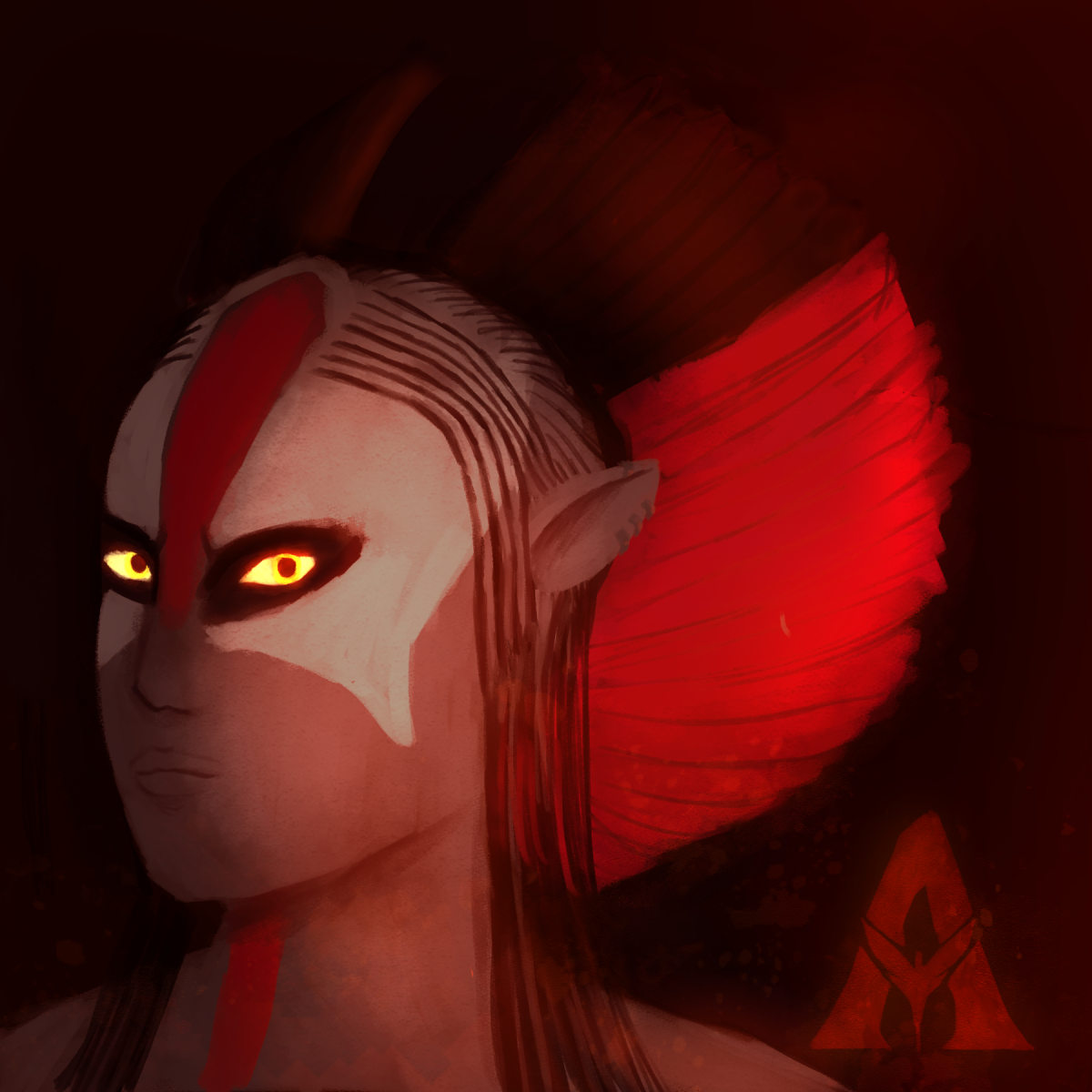
“Avatar: Fire and Ash,” is the threequel fans have impatiently awaited after “Avatar” and “Avatar: The Way of Water,” and was released in theaters on Dec. 19. Like its predecessors, the movie takes place on the fictional moon Pandora, and continues to expand on the story of Jake Sully, Neytiri and their children.
This movie has a darker theme than the first two, with themes of grief and revenge forwarding the plot. Fire and ash also play a key role in the movie, with an example being the Mangkwan “Ash” Na’vi raider tribe that allies with humans, the antagonists in the movie, to colonize Pandora.
The plot expands on the large ending twist of the second movie, where the eldest son of the Sully family dies. The grief over his death realistically alienates the Sully family from each other, especially with the other son, Lo’ak, blaming himself for his brother’s death and Neytiri growing to despise humans, even the Pandoran-raised human Spider. In my opinion, this reaction is human-like, which helped me connect with and understand the characters and their choices.
The movie portrays the characters’ reactions realistically, not skimming over a death like so many other movies unfortunately do. Grief causes people to push themselves away and make rash decisions, which “Avatar: Fire and Ash” shows. It also demonstrates the way that people begin to heal, especially when Neytiri shows that she truly cares for Spider.
Further exploring the theme of family, the movie shows the bond between Spider and his father, Colonel Miles Quaritch. The protagonist, Jake Sully, and antagonist Quaritch reluctantly team up to help Spider, which I think is a good representation of how family can bring people together and the similar human nature of the avatars.
The movie also expands to include other antagonists, such as the “Ash” raider clan, which allies with the previous antagonist Quaritch. The movie represents the effects of this alliance on Quaritch well, even including a scene that shows him with long stripes along his face like the clan, and the other humans’ disdain at seeing this. He forgets his old ways and embraces the terrible raider culture, a bad choice, seeing as he loses even more of his human understanding and turns even more vicious.
Lastly, the visual elements of the movie saga are one of the things the series is most known for, and “Avatar: Fire and Ash” did not disappoint. While the music was a little overdramatic sometimes, the other effects were the main focus. With exciting fight scenes, especially in the final battle between the Na’vi and humans, and brilliant special effects, it is no wonder the movie earned over one billion dollars worldwide. The fact that the movie is set in a fantasy world with bright, addictive colors also kept me glued to the screen.
Overall, “Avatar: Fire and Ash” was a movie that built on the previous plots well, while not being repetitive. The visual effects and engaging plot also helped create suspense that kept me on the edge of my seat. Also, the plot holes purposefully left in the movie have clear potential to be built on in parts four and five. This movie has definitely further increased my expectation that the next ones will be just as excellent, and I will be eagerly awaiting the day the next one is released.